
IBAP2025 took place with a Focus on Promoting the 12th Lee Kuan Yew Global Business Plan Competition and Fostering Global Collaboration for Innovation
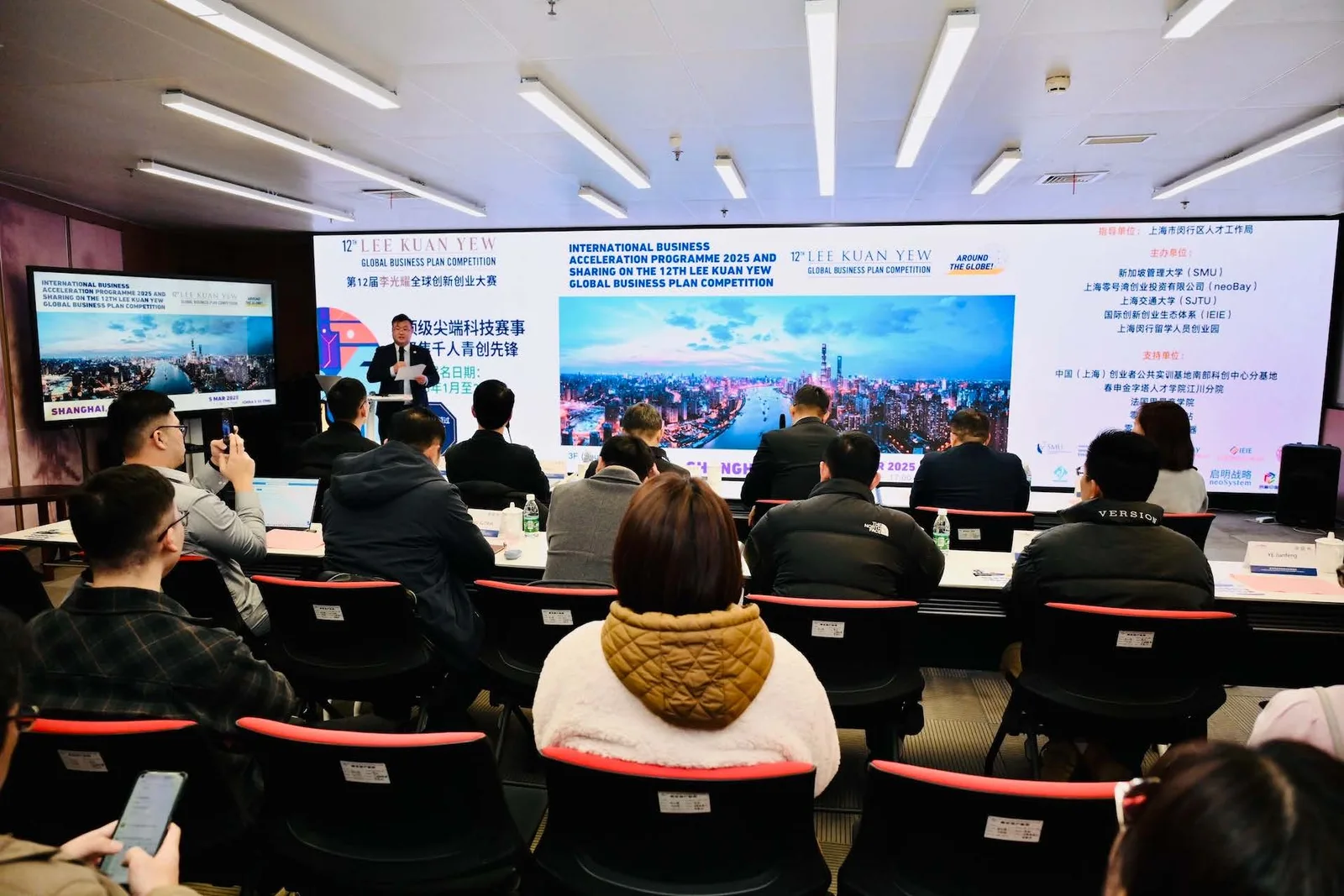
Under the guidance of Shanghai Minhang Talent Bureau, the International Business Acceleration Programme 2025 (IBAP2025), organized by Shanghai neoBay Venture Capital Co., Ltd. and Shanghai Minhang Overseas Talent Entrepreneurship Park alongside esteemed international and local partners such as Singapore Management University, emlyon business school, China (Shanghai) Public Practicing Base for Entrepreneurs - South Branch of Science and Innovation Center and Sensor Space , convened at neoBay Global Innovation and Entrepreneurship Community a diverse assembly of students, entrepreneurs, academics, and industry experts from different countries. Since its establishment in 2022, IBAP has been a cornerstone for international collaboration for innovation and entrepreneurship.
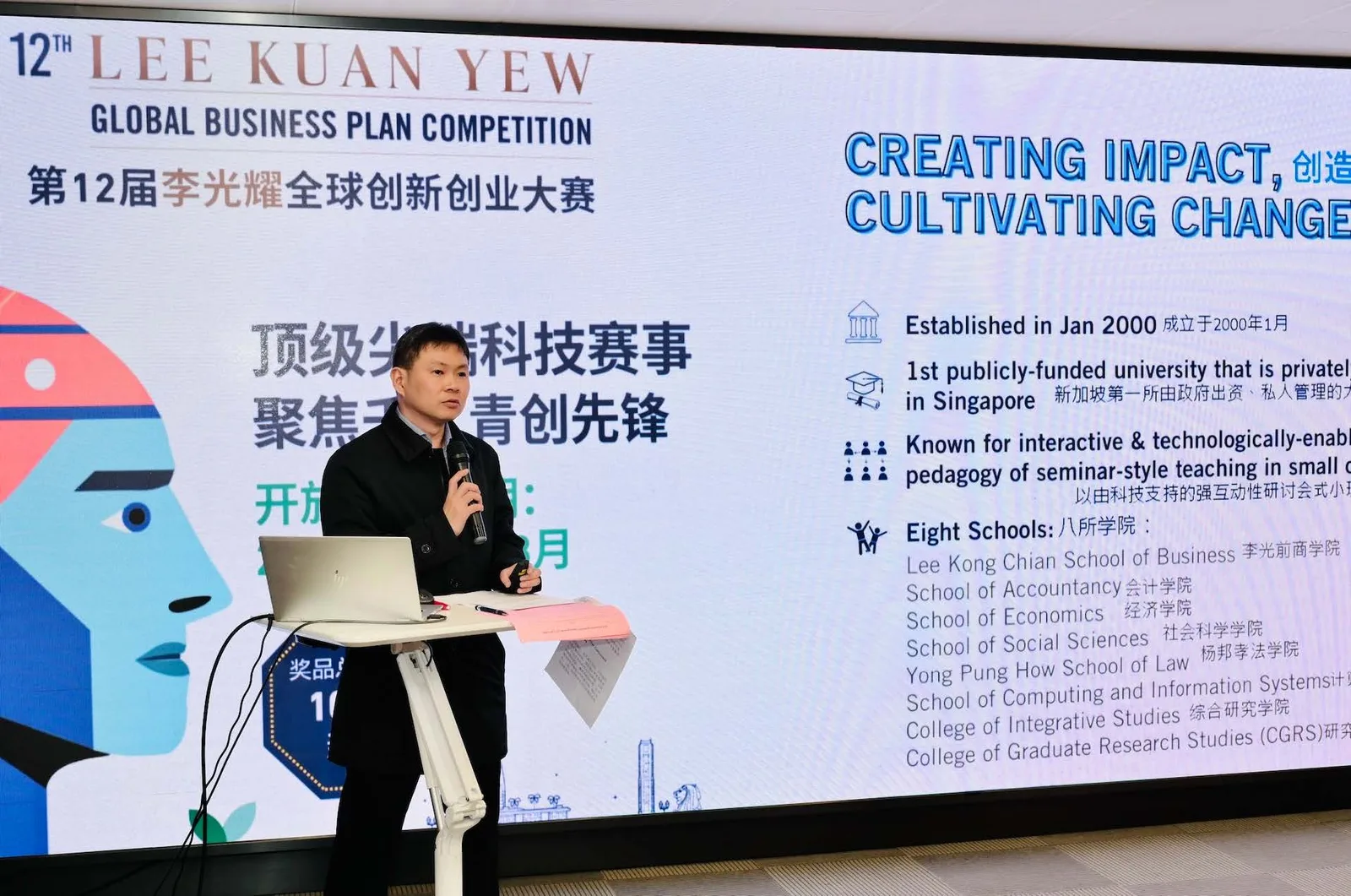
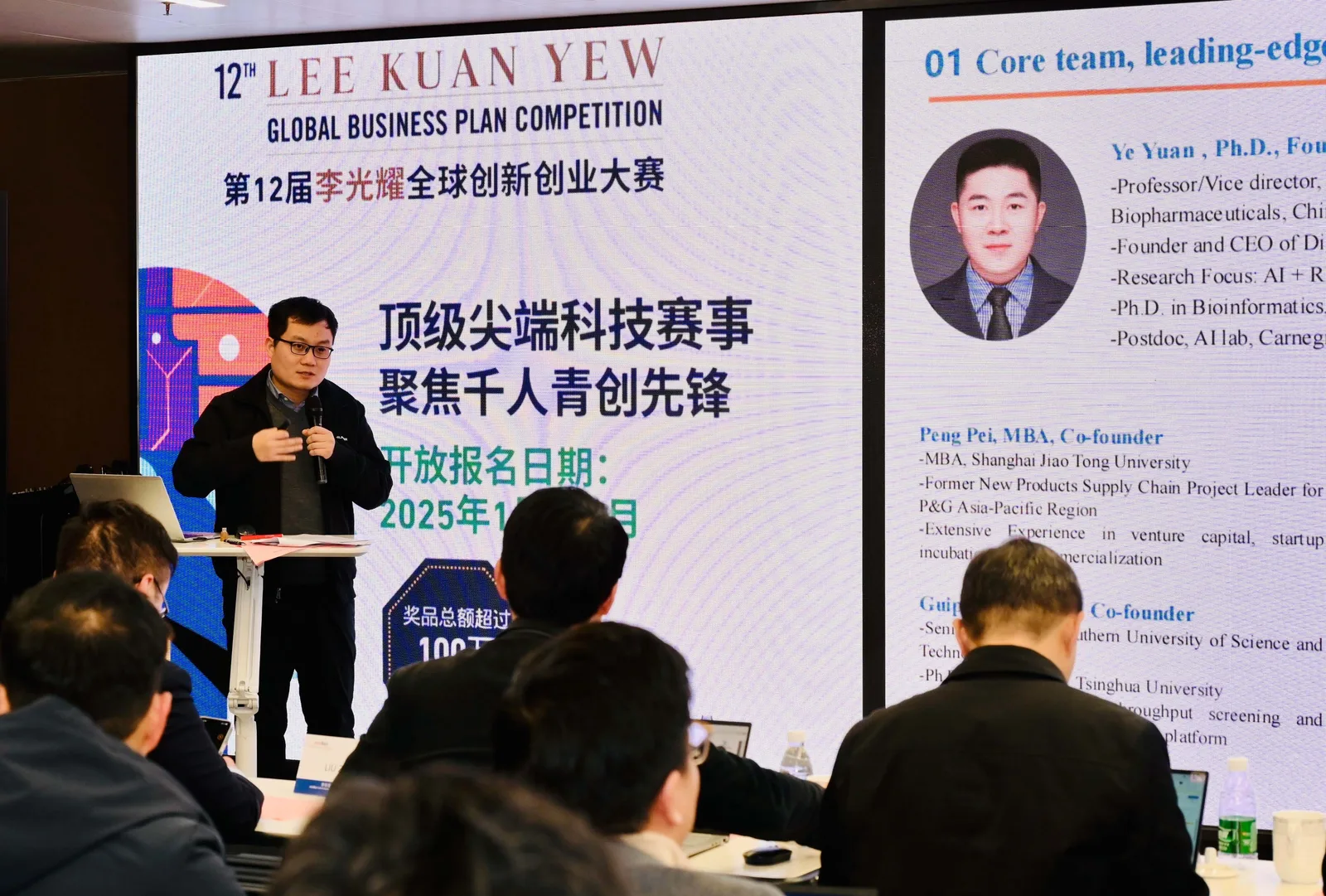
A standout feature of IBAP 2025 was the integration of a promotional event for the 12th Lee Kuan Yew Global Business Plan Competition (LKYGBPC) which is aiming at attracting exceptional business proposals for this upcoming global competition for young entrepreneurs. Mr. HAU Koh Foo, Director of the Institute of Innovation and Entrepreneurship at Singapore Management University, provided valuable insights into the 12th LKYGBPC and its pivotal role in nurturing global innovation and entrepreneurship. Hosted by Singapore Management University (SMU) - Institute for Innovation and Entrepreneurship (IIE), LKYGBPC is committed to identifying and supporting the next generation of science entrepreneurs from universities across the globe. The competition offers participants unparalleled networking opportunities with venture capitalists, industry leaders, and government officials, as well as access to mentorship, funding and a global platform to showcase their innovations.
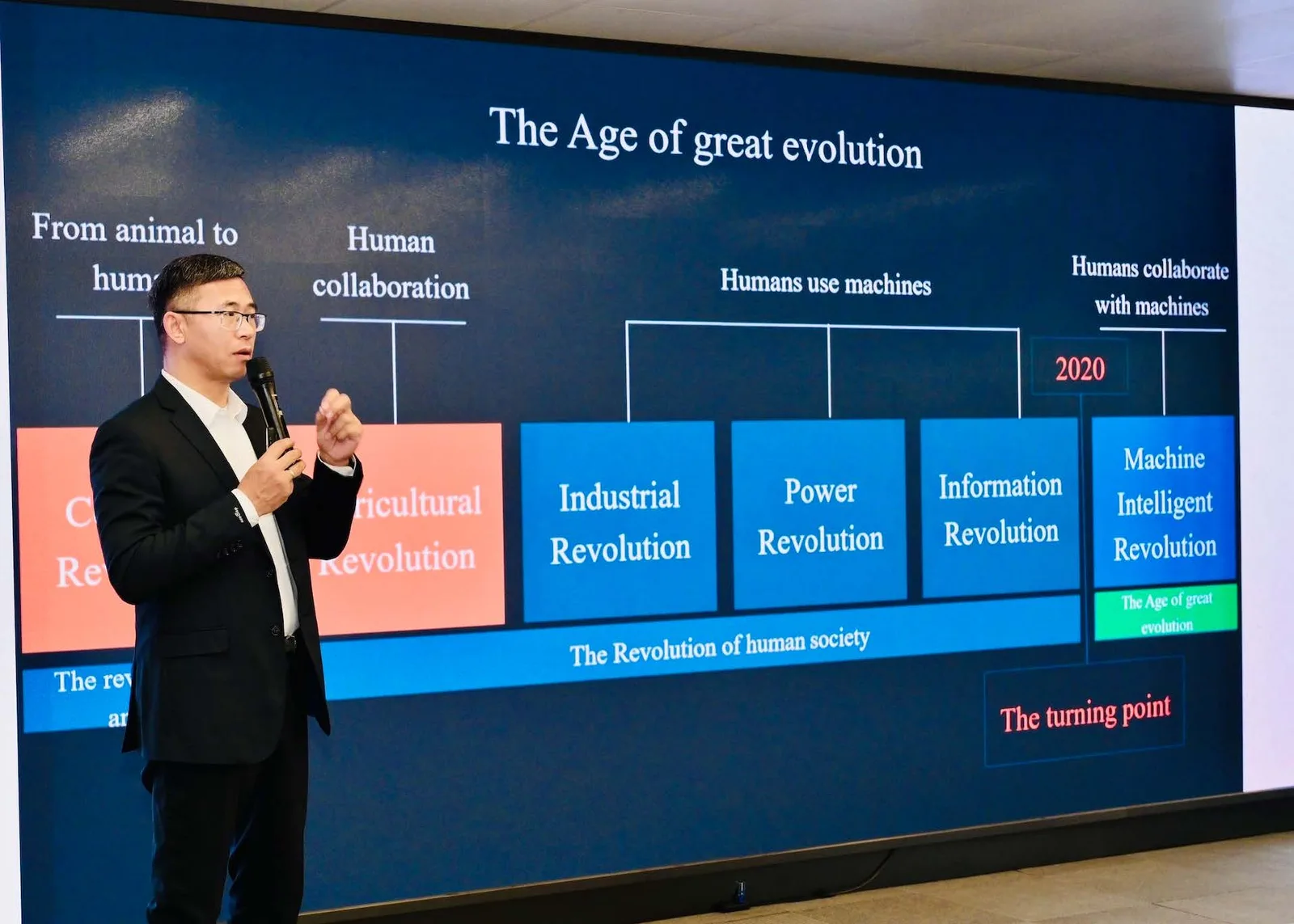
Dr. ZHANG Zhigang, Associate Professor at the Student Innovation Center of Shanghai Jiao Tong University and Board Member and General Manager of Shanghai neoBay Venture Capital Co., Ltd., delivered a compelling discussion on the coordinated development of technology, industry, and society in the era of the Machine Intelligent Revolution. He illustrated the difference between exploratory innovation and industry-driven innovation, emphasizing the global integration of AI and smart machines into human society since 2020. Dr. Zhang called for international cooperation to address global challenges, advocating for a shift from wealth accumulation to sustainable development. He stressed the importance of industry-driven innovation and the role of startups in this new era, urging a unified global system for progress and encouraging collaboration among engineers, entrepreneurs, and scientists to overcome challenges and achieve common goals.
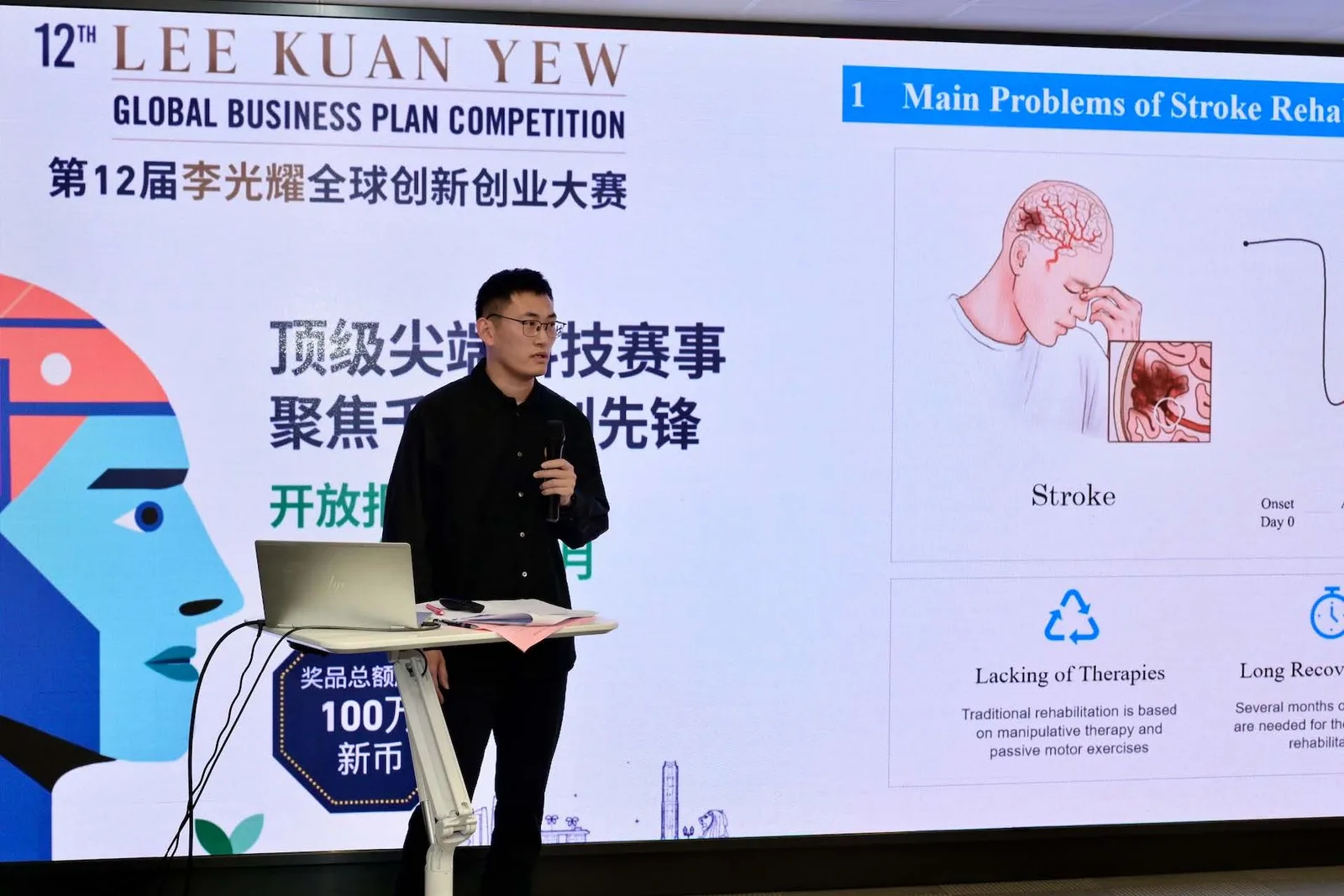
The event showcased presentations from three Revolutionary (RVLT) teams, including Nian Tong Intelligence, Huaxia Semiconductor, and Neuroweave. These teams shared their innovative business ideas and their experiences participating in the previous session of LKYGBPC.
Five startups who had submitted their business proposals to the 12th LKYGBPC attended mentoring sessions.
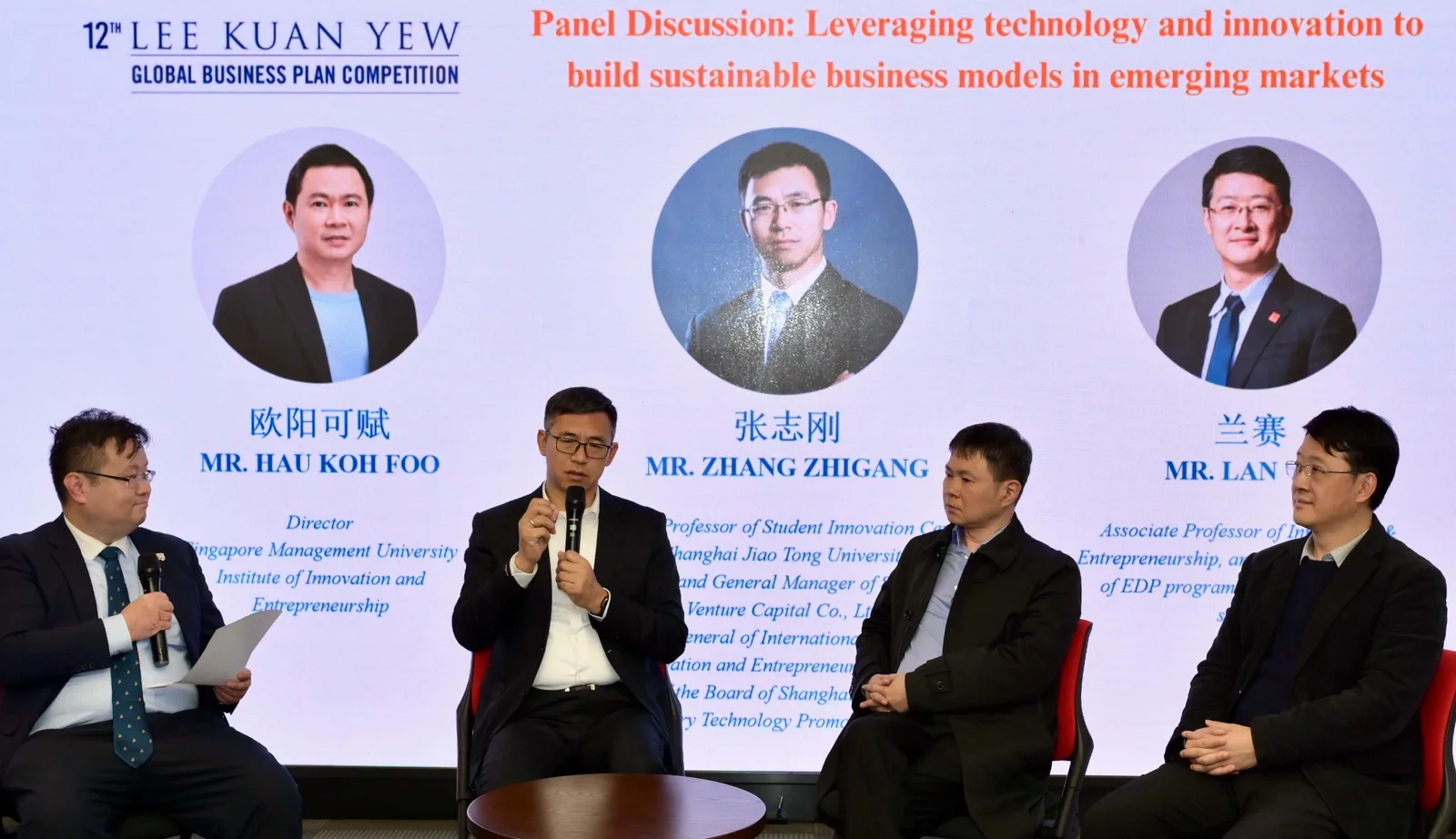
A panel discussion on leveraging technology and innovation for sustainable business models explored strategies for utilizing disruptive technologies and adapting to diverse consumer needs in emerging markets. Mr. HAU Koh Foo, Dr. ZHANG Zhigang, and Prof. LAN Sai, Associate Professor of Innovation & Entrepreneurship and Academic Director of the EDP program at emlyon business school, discussed how businesses can strategically leverage technology and innovation to build sustainable models in emerging markets. Prof. LAN Sai emphasized that disruptive technology offers a competitive edge by creating new markets or "blue oceans." He noted that innovation is commercialization of technology, requiring a viable business model to succeed. He suggested entrepreneurs start in low-end markets to avoid direct competition with established firms, gradually moving up as they build their user base. Mr. HAU Koh Foo highlighted the need for patient capital to support long-term disruptive innovations, often necessitating a short-term business model to fund R&D. He stressed the importance of knowledge transfer before technology transfer, involving professors and students in commercial roles to bridge academia and industry. Dr. ZHANG Zhigang advocated for an ecosystem where universities, industries, and government collaborate closely to support startups and innovation.
This panel also explored the triple helix model, involving government, industry, and universities working together to foster innovation. Recent policy changes in China aim to make industries the key players in commercializing technologies. The discussion emphasized the move towards open innovation, where corporations act as platforms attracting global talent and ideas, rather than relying solely on internal R&D.
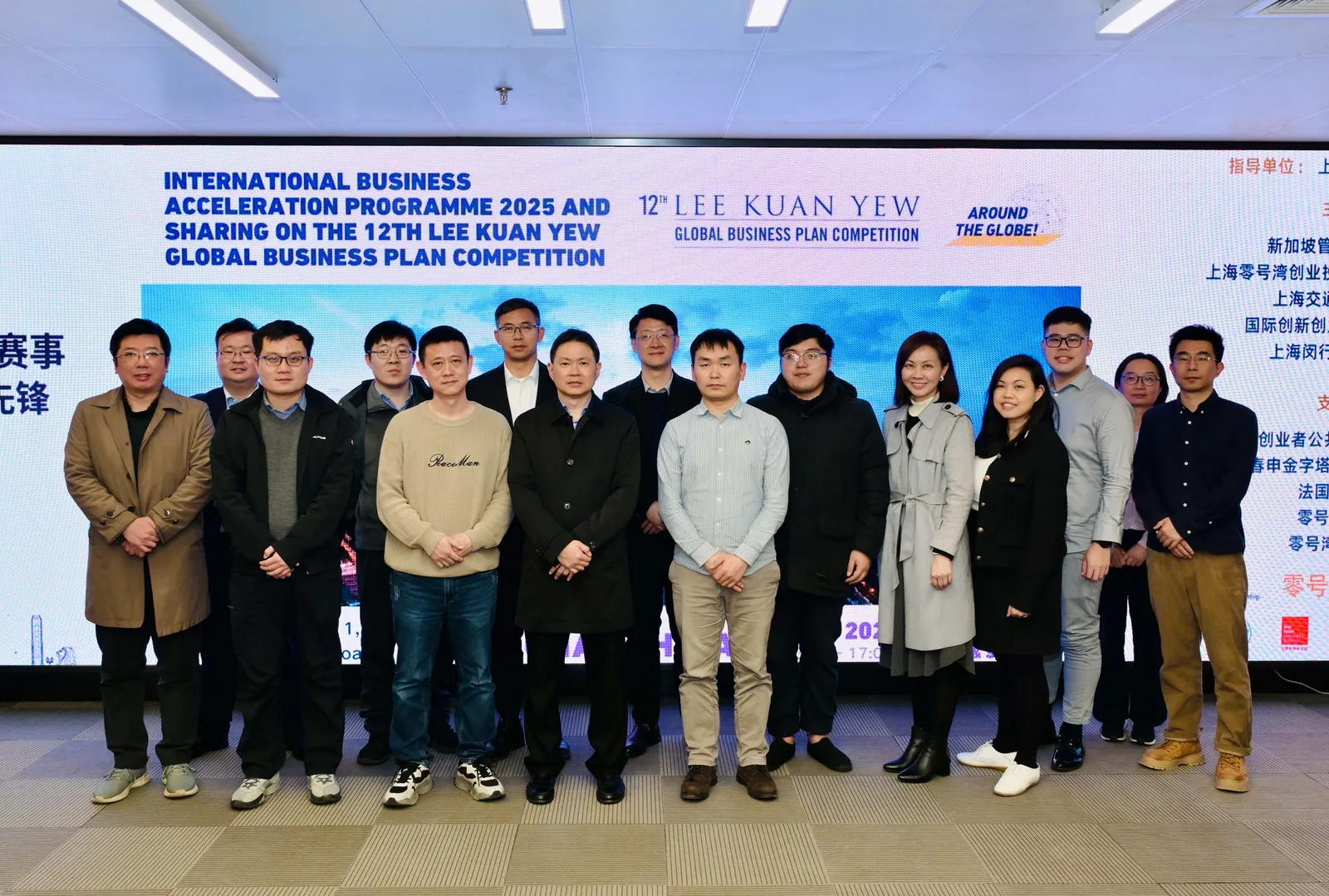
IBAP 2025 served as a catalyst for global collaboration in terms of innovation and entrepreneurship, uniting various partners to discuss the issues regarding science & technology, innovation & entrepreneurship as well as cross-border synergy. This program underscores neoBay Global Innovation and Entrepreneurship Community and Shanghai Minhang Overseas Talent Entrepreneurship Park’s commitment to building up an inclusive ecosystem that empowers technology-based entrepreneurs and the next generation of business leaders.