
neoBay and emlyon business school Join Forces to Host Project Creation & Entrepreneurship Acceleration Camp 2026
Shanghai, September 3, 2026 — Under the auspices of Shanghai Land Minhong (Group) Co., Ltd., Shanghai Grand neoBay Investment & Development (Group) Co., Ltd., and the Minhang Federation of Returned Overseas Chinese Youth Committee, Shanghai neoBay Venture Capital Co., Ltd. and Shanghai Minhang Overseas Talent Entrepreneurship Park, in partnership with emlyon business school Asia, convened the Project Creation & Entrepreneurship Acceleration Camp 2026 (PCE 2026) at the neoBay Global Innovation and Entrepreneurship Community. The event was made possible with support from the International Ecosystem for Innovation and Entrepreneurship (IEIE), Shanghai neoSystem Future Industry Technology Promotion Center, and other partner organizations.
Anchored in the theme "Beyond the Stereotypes — What It Really Takes to Turn Technology into a Business in China," the camp brought together nearly one hundred BBA international students and faculty members from emlyon business school, alongside executives from a host of technology companies.
Entrepreneurship and a Sustainable Development Ecosystem in the Age of Machine Intelligence
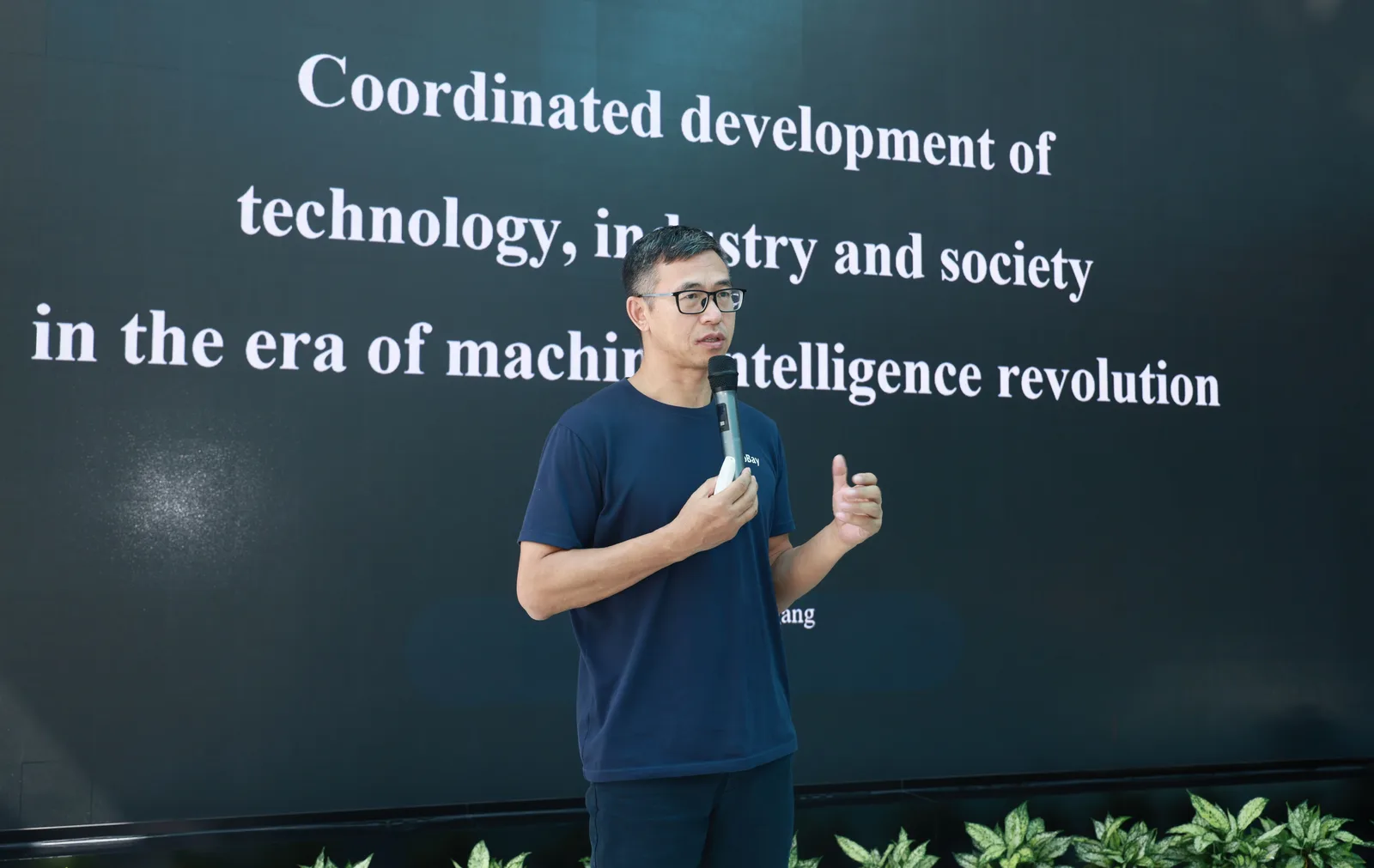
Dr. ZHANG Zhigang — Associate Professor of the Student Innovation Center of Shanghai Jiao Tong University, Board Member and General Manager of Shanghai neoBay Venture Capital Co., Ltd., Secretary-General of the International Ecosystem for Innovation and Entrepreneurship (IEIE), and Chairman of the Board of Shanghai neoSystem Future Industry Technology Promotion Center — delivered the keynote address, "Coordinated Development of Technology, Industry and Society in the Era of Machine Intelligence Revolution." Tracing humanity's progression from the Cognitive, Agricultural, Industrial, and Information Revolutions to today's Machine Intelligence Revolution, he argued that the current transformation is not merely another foundational technological breakthrough, but a sweeping global restructuring: machines are evolving from instruments into members of society; the world is converging into an interconnected organic whole; and the defining challenge of our era lies in resource allocation and global collaboration, rather than productivity gains alone. He further called on startups to frame and solve problems against future scenarios, proactively embed themselves in global collaboration networks, and grow in concert with the broader social system.
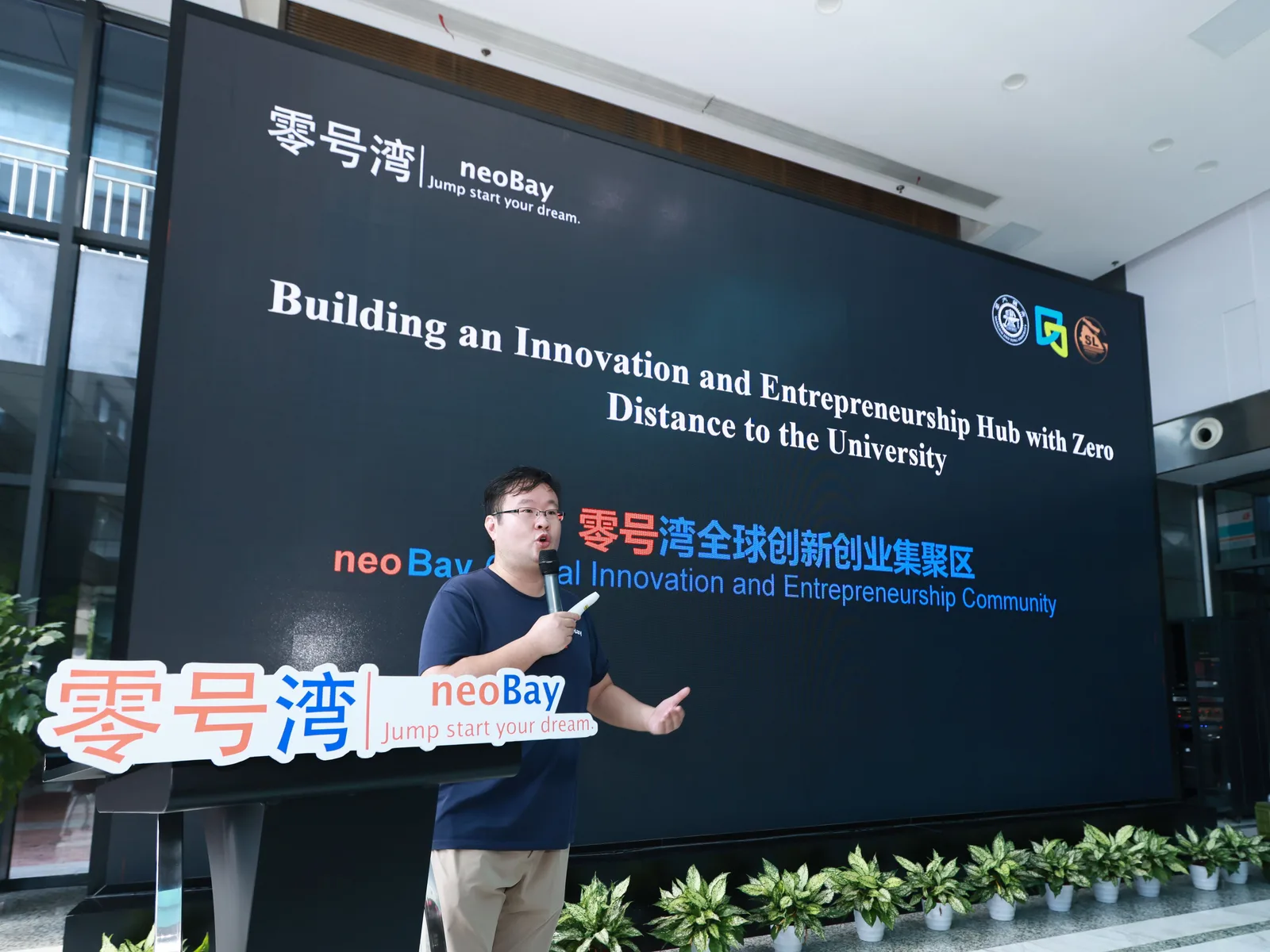
Mr. XU Yang, International Cooperation Manager of Shanghai neoBay Venture Capital Co., Ltd. and Director of Shanghai Minhang Overseas Talent Entrepreneurship Park, presented an overview of the neoBay ecosystem, its resources, and its offerings. He highlighted the services the International Ecosystem for Innovation and Entrepreneurship (IEIE) extends to enterprises and young entrepreneurial talent in China and around the world — from flagship international innovation and entrepreneurship events to international talent exchange programs.
A Student Project Acceleration Camp Bridging Ecosystem and Industry
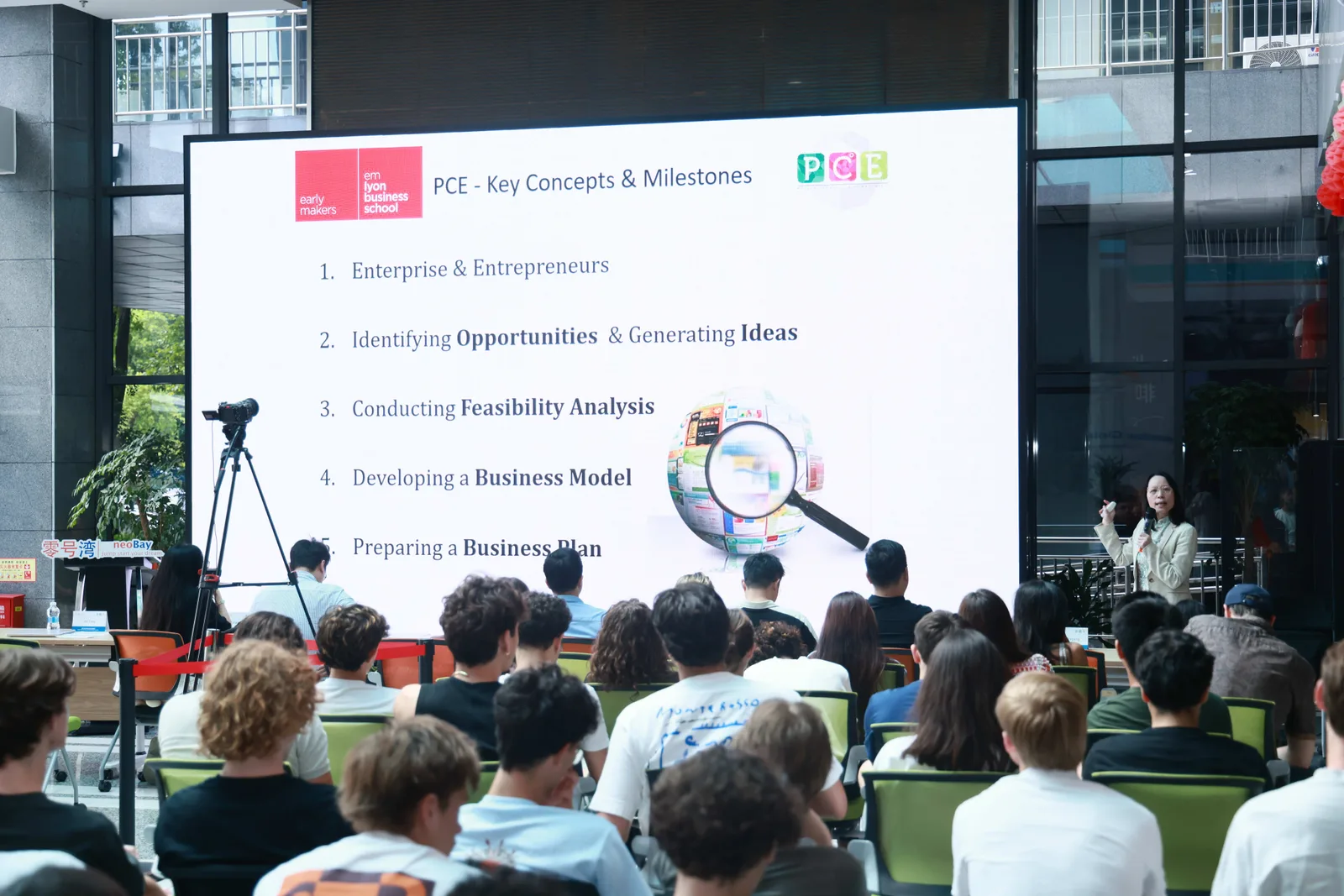
Dr. Jane Zhang, Adjunct Professor of emlyon business school Asia, introduced the Project Creation & Entrepreneurship (PCE) course, through which students transform their entrepreneurial ideas into fully fledged business projects.
A cornerstone compulsory course of emlyon business school's BBA program, the PCE spans five months this year and will run through February 2027. Working in self-formed teams under the guidance of dedicated mentors, students tackle real-world problems and navigate the complete entrepreneurial cycle — from identifying opportunities and validating feasibility to building business models and preparing financing plans. Assumptions are rigorously tested through customer interviews, and ideas are ultimately honed into verifiable, viable businesses. Outstanding project teams earn the opportunity to compete in global business plan competitions and pitch directly to investors.
Forging Closer Ties Between Technology and Industry — Moving Beyond Stereotypes in Cross-Cultural Communication
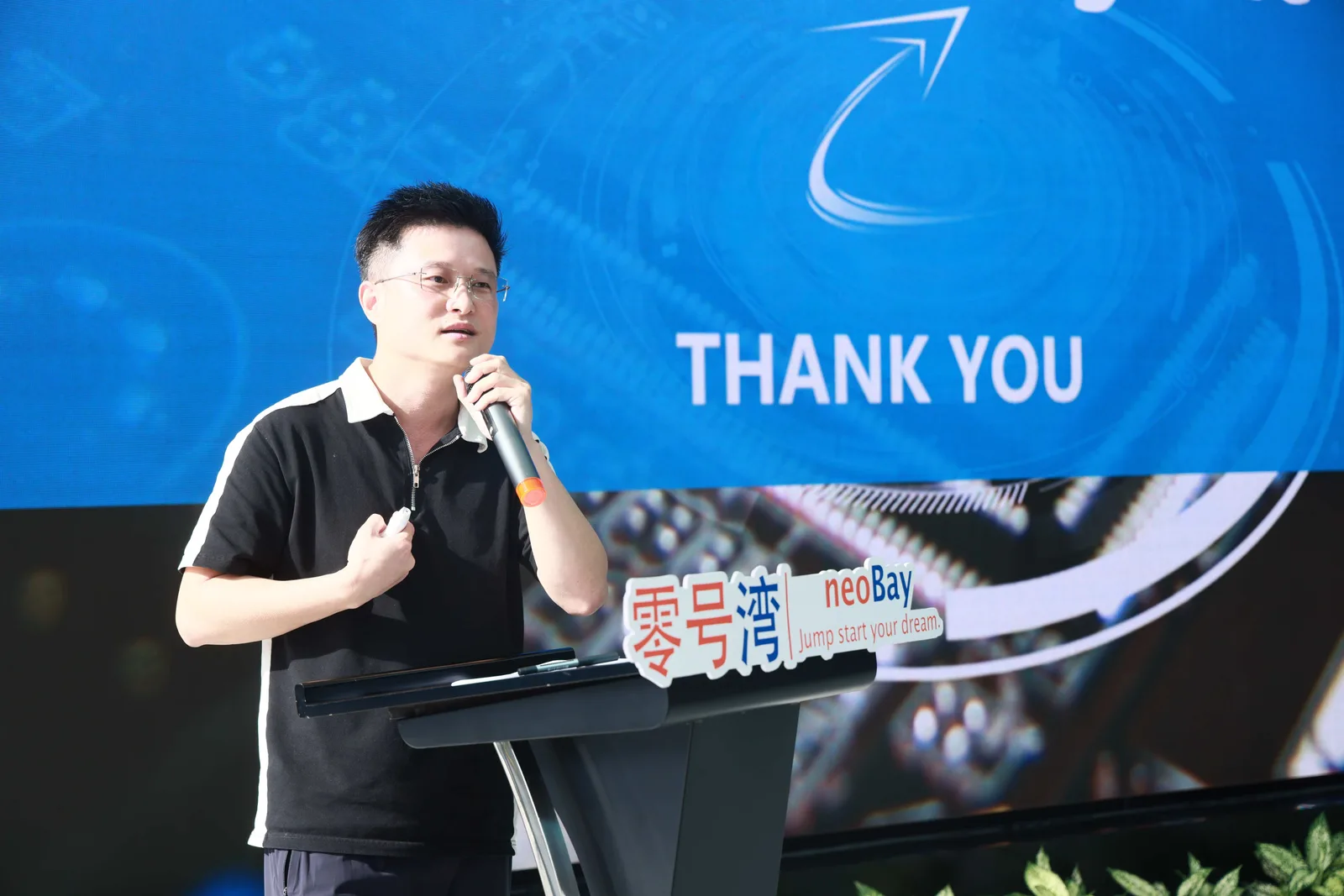
Dr. Simon WANG, CEO of Shanghai Hangshu Tech, recounted his own entrepreneurial journey, underscoring that building a business demands unwavering resolve and drawing a vivid contrast between university life and the realities of entrepreneurship. He observed candidly that for a technology startup to secure its footing amid fierce market competition, proprietary technology is indispensable — and that equal weight must be given to cultivating trust and cooperation, as well as to strengthening legal and financial knowledge and skills.
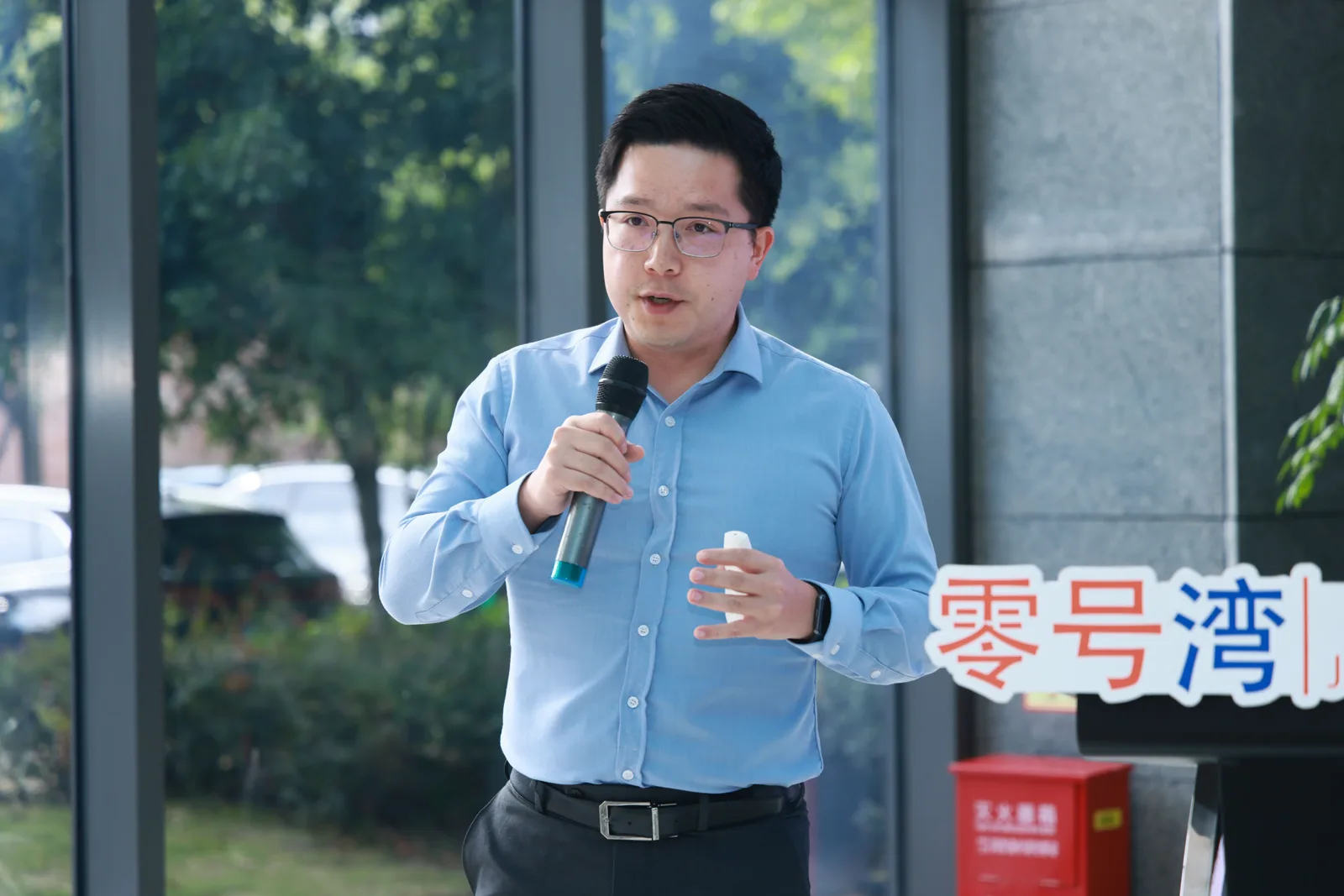
Dr. LU Xiao, CEO of Shanghai Bio-lu Biomaterials Co., Ltd., traced the company's three-stage ascent from founding and expansion to industry leadership. Its core product — built on a biocompatible, porous calcium phosphate ceramic material that promotes bone growth — is protected by 40 patents and applied across scenarios including bone cement. He also reflected on his personal transition from researcher to business leader, and on the practical hurdles of mass production, regulatory approval, and physician education.
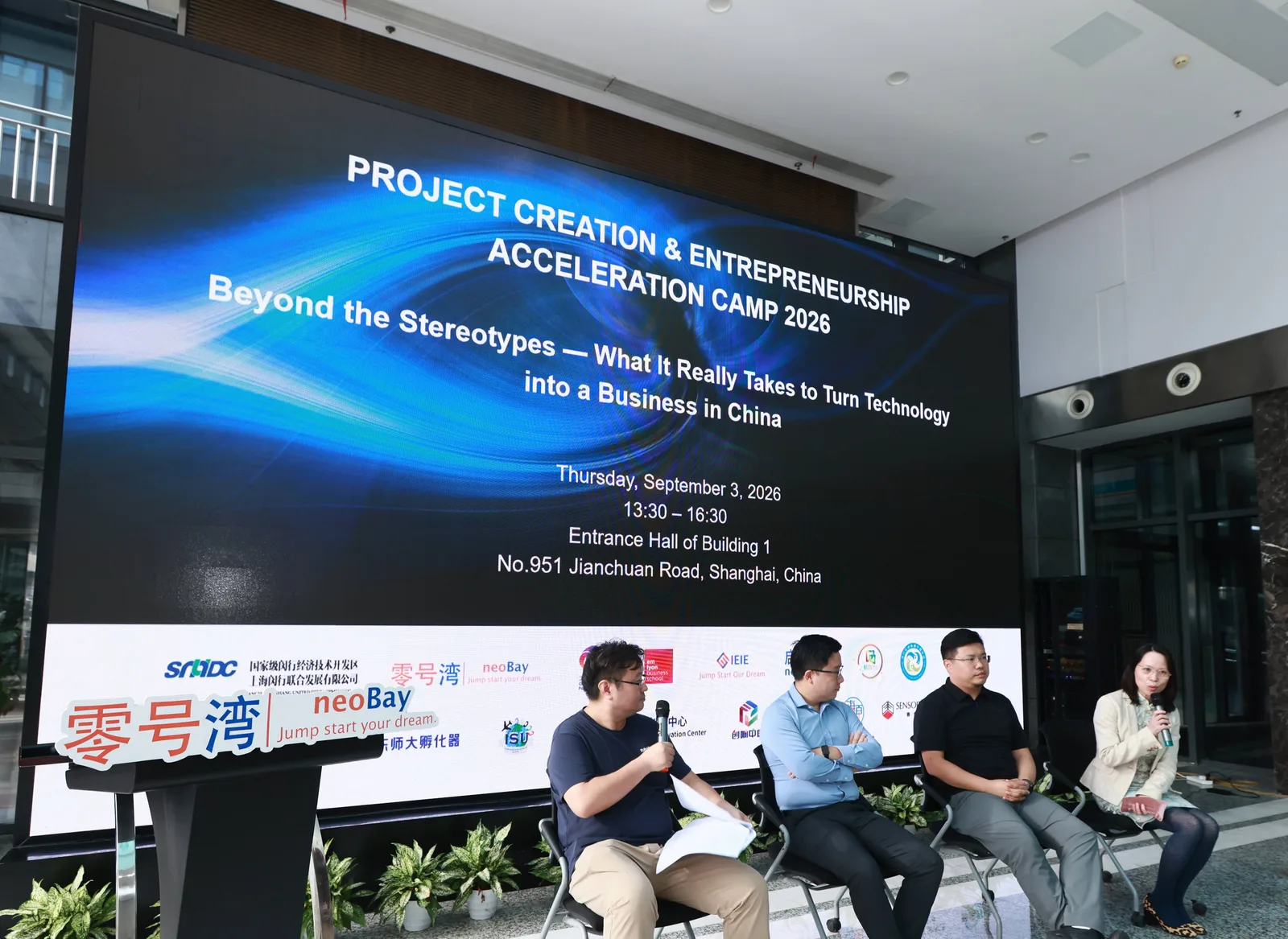
The camp drew to a successful close with a panel discussion under the theme "Beyond the Stereotypes — What It Really Takes to Turn Technology into a Business in China," featuring Dr. Jane Zhang, Adjunct Professor of emlyon business school Asia; Mr. JIANG Sheng, CEO & Co-founder of FD Groups China; Dr. LU Xiao, CEO of Shanghai Bio-lu Biomaterials Co., Ltd.; and Mr. XU Yang, International Cooperation Manager of Shanghai neoBay Venture Capital Co., Ltd. Confronting the misconceptions about China most commonly held by overseas students and young foreign entrepreneurs, the panelists shared first-hand observations and practical advice across three dimensions: institutional change, cultural differences, and technological innovation.
On institutional change, the panelists observed that China's rule-of-law environment and intellectual property protection regime have matured considerably in recent years, giving rise to a robust and well-established legal framework. Overseas entrepreneurs doing business in China, they stressed, must treat legal and compliance obligations with the utmost seriousness and proactively acquaint themselves with the applicable laws, regulations, and requirements.
On cultural differences, the panelists emphasized the pronounced regional diversity of the Chinese market: a model proven successful in Shanghai cannot simply be transplanted wholesale to other cities. They likewise noted that Chinese society places exceptional weight on interpersonal trust and long-term partnerships — yet this in no way implies that rules may be set aside. Overseas entrepreneurs, they advised, should strike a judicious balance between compliant operations and relationship building, immerse themselves in the local ecosystem, and forge deep, trust-based partnerships.
On technological innovation, the panelists affirmed that Chinese companies have long since moved beyond the stereotype of "imitating the West." Through sustained, large-scale R&D investment, they are advancing toward independent innovation and demonstrating remarkable global competitiveness in frontier fields such as mobile payments and artificial intelligence.
In closing, the panelists encouraged students to treat their course projects as the starting point of "real entrepreneurship" — to venture deep into the local market, step into the entrepreneurial ecosystem, and build substantive connections with Chinese entrepreneurs — thereby gaining an authentic understanding of the Chinese market and seizing the development opportunities it presents.
International Students: Understanding the Ecosystem, Inspiring Practice, Connecting with the Future
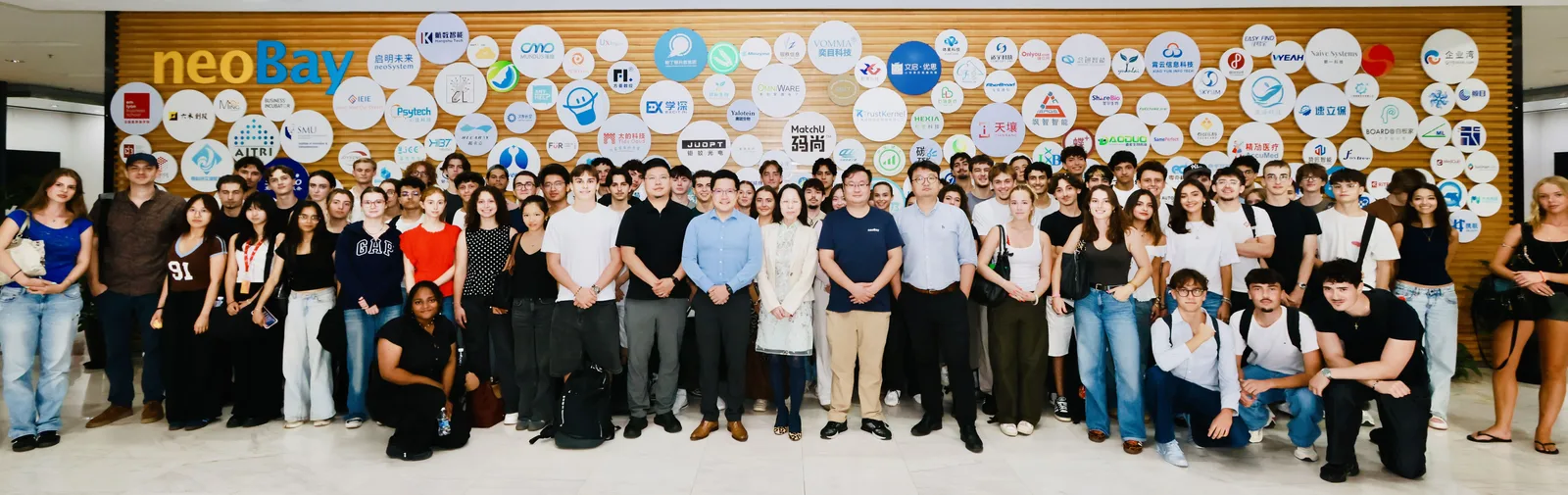
The emlyon business school Project Creation & Entrepreneurship (PCE 2026) is built around three overarching goals:
First, to equip students with an in-depth understanding of China's innovation and entrepreneurship ecosystem, together with best practices in industry–academia–research collaboration.
Second, to immerse students in real cases drawn from Chinese enterprises, bringing valuable inspiration and actionable insights to their PCE projects.
Third, to catalyze direct dialogue between International students and Chinese entrepreneurs, laying the groundwork for future business development and industrial cooperation.
Looking ahead, neoBay will further deepen its cooperation with emlyon business school on the Project Creation & Entrepreneurship Acceleration Camp (PCE), truly embedding the classroom of a world-renowned business school within the neoBay science and technology innovation ecosystem. Through this partnership, international students experience China's technology innovation atmosphere at close range and gain first-hand insight into the authentic growth journey of Chinese tech enterprises — from startup to scale-up.